
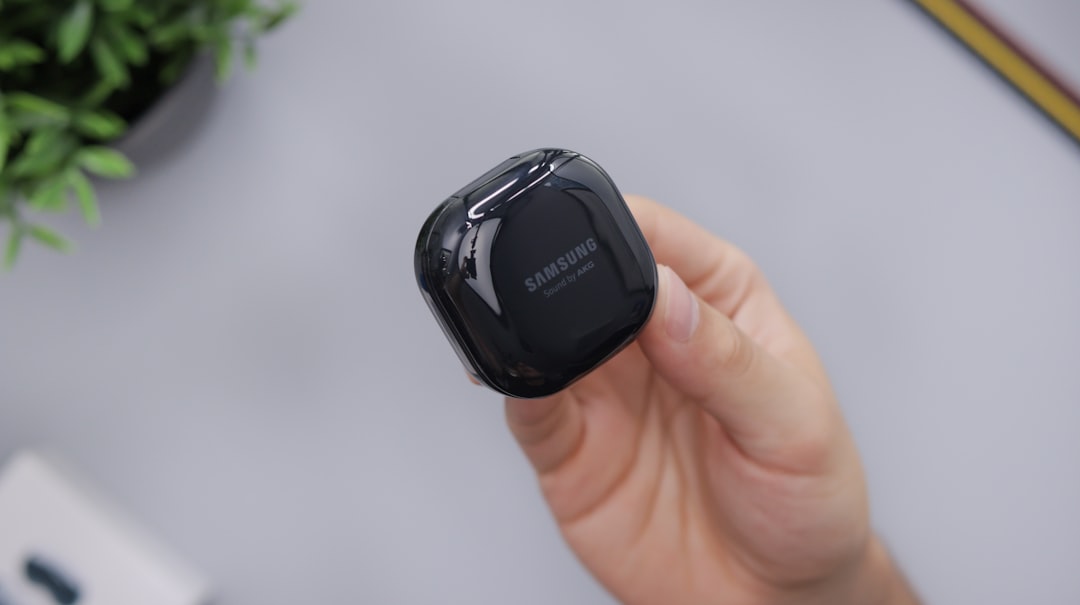
In a world where technology seems to evolve at lightning speed, it can be a challenge to keep up with the latest gadgets that promise to simplify our lives, enhance our productivity, and sometimes, just entertain us. However, the real question isn’t about what is new, but about what truly transforms our daily existence. Let’s delve into some remarkable tech gadgets that not only stand out in innovation but also carry the potential to redefine our everyday routines.
Imagine waking up to the soft glow of a sunrise simulation alarm clock that gently rouses you from your slumber, as opposed to the jarring sound of a traditional alarm. Enter the Philips Wake-Up Light, a device that mimics the gradual rise of the sun. This gadget doesn’t just wake you; it prepares your mind and body for the day ahead, reducing morning grogginess and making it a bit easier to get out of bed. Such small, yet significant, changes in our morning routines can lead to a more productive day.
Speaking of productivity, let’s talk about the rise of the digital note-taker. The Rocketbook Everlast is an ingenious notebook that bridges the gap between traditional writing and digital organization. You can write with a Pilot FriXion pen, scan the pages using your smartphone, and send the notes to cloud services like Google Drive, Evernote, or Dropbox. Once you’re done, a simple wipe with a damp cloth allows you to reuse the pages. This eco-friendly gadget not only reduces paper waste but also keeps your notes organized and accessible anywhere.
As we transition to the concept of remote work, the importance of maintaining productivity at home has never been more crucial. Smart home assistants like the Amazon Echo or Google Nest Hub have become essential tools. They do more than just play music or answer trivia questions; these devices can control your smart home, manage your calendar, and even assist in cooking with recipe guidance. Integrating such a device into your daily routine can enhance efficiency and streamline household tasks.
Now, let’s take a moment to talk about health and wellness. The rise of wearable tech has taken the fitness world by storm. Devices like the Fitbit Charge or Apple Watch do more than count your steps; they monitor heart rates, track sleep patterns, and even remind you to move if you’ve been stationary for too long. This technology not only promotes physical health but also fosters a deeper awareness of our daily habits and routines.
But let’s not forget about the social aspects of technology. The recent trend in tech gadgets revolves around enhancing our connections with friends and family, even from a distance. The Ooni Pizza Oven, for instance, has sparked a mini-revolution in home cooking, allowing friends to come together (virtually or in person) for pizza nights. Its innovative design makes it easy to create restaurant-quality pizza in your backyard, and it has led to a resurgence in social gatherings, where everyone can pitch in to make their custom pizzas. This kind of shared experience is priceless in a world that can feel increasingly isolating.
As we consider the impact of these gadgets on our lives, it’s crucial to also look at their psychological effects. Research suggests that the presence of technology can influence our emotions and behaviors. For instance, using a smart garden, like the Click and Grow, which allows you to grow herbs and small vegetables indoors, can enhance feelings of satisfaction and accomplishment. The act of nurturing plants, combined with the convenience of technology, can boost your mood and add a refreshing touch to your home environment.
In conclusion, the tech gadgets that will define our future are not just about being the latest and greatest. They are about improving the quality of our lives—whether through increased productivity, better health, or enhanced connections with others. As we embrace these innovations, let us focus on how they can inspire us to live better, healthier, and more connected lives. After all, in the age of technology, the ultimate goal should always be to enhance our human experience.
Copyright © fionacircuit.com All rights reserved